Services
Procurement is a chain, not a purchase order.
Five services that can be bought separately and are designed to be run together — so nothing falls between the supplier, the forwarder, the broker and the site.
From the first supplier shortlist to the last signed delivery note, the same team owns the outcome.
Before a single order is placed, we map how the material actually has to move: what is bought where, which items are long-lead, which routes are exposed, and where a delay would stop the project. The output is a chain design, not a quotation.
Planning continues while the project runs. Demand changes, suppliers slip and routes close — the plan is re-cut against the delivery date rather than against last month's forecast.
We screen suppliers, run the bidding and negotiation, place and follow the order, and control quality before cargo leaves the factory. For high-value, customised and large-scale project cargo, the control points are agreed up front and documented.
Multi-currency settlement and procurement reconciliation are handled in the same service, so commercial paperwork does not become a second supply chain.
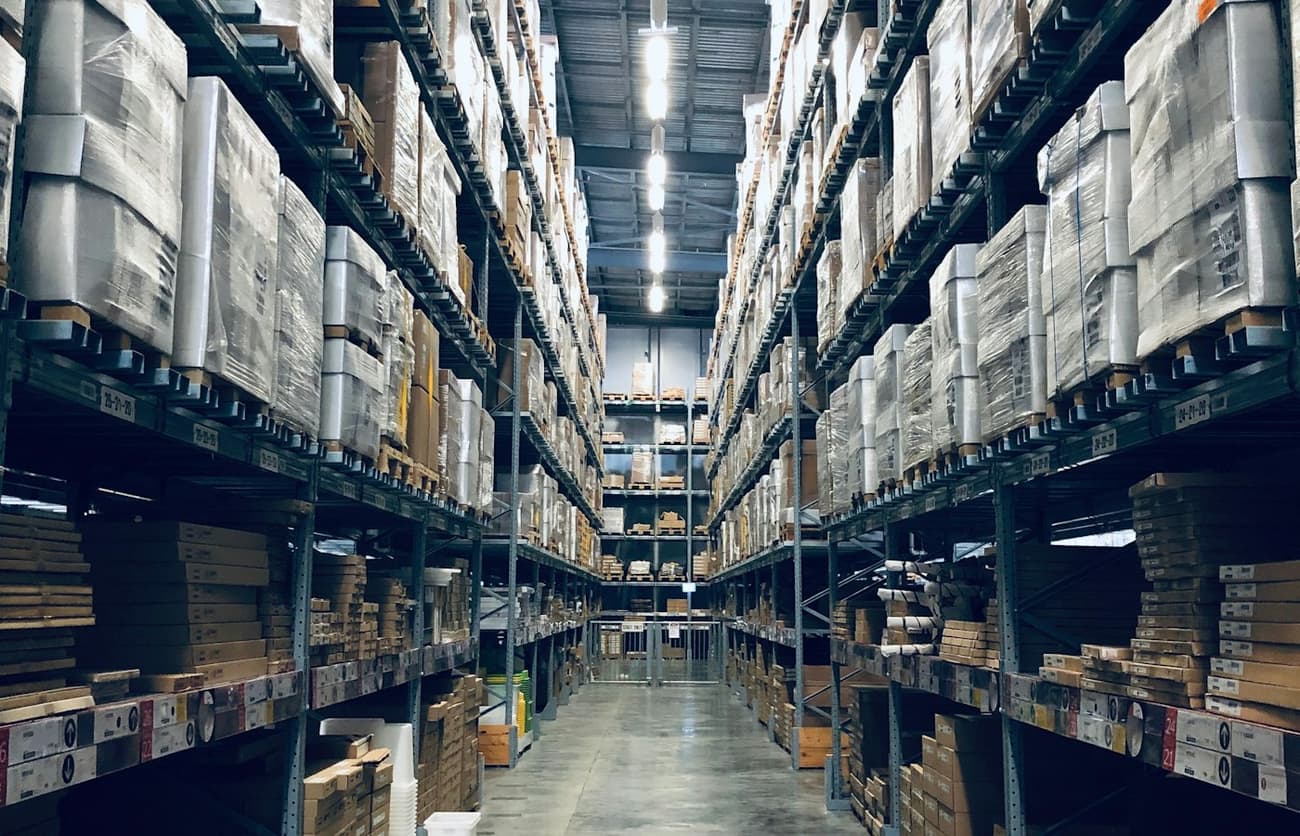
Our 1,600 m² self-owned warehouse is zoned by cargo type — industrial spare parts, oils, safety supplies and site living supplies — with moisture-proof and anti-theft controls. Mixed consignments can be received, checked, packed, reinforced and loaded in one place.
Inventory is managed dynamically: shortages and overstock are flagged before they become a site problem, and fast-moving consumables can be held as safety stock at the hub.
Large engineering, infrastructure and industrial projects do not buy catalogue items on a catalogue schedule. We coordinate the overall material plan, deliver equipment against the installation sequence, and manage the interface with the site team.
This is where the corridor matters: high-value equipment, bulk goods and urgent orders move through the same chain, with risk control built for complex environments.
For teams building or repairing a cross-border supply chain, we provide industry trend analysis, compliance guidance and cross-border trade policy interpretation — grounded in live corridor experience rather than generic playbooks.
Team operation training is delivered against the customer's own process, so the handover from planning to daily execution is not a second project.
Eight steps, each with a named owner and a documented handover. The same sequence runs whether the cargo is a drill bit or a substation.
The mode is chosen per item and per consequence of delay — not per shipment.
| Mode | Transit to Lagos | Best for | How we run it |
|---|---|---|---|
| Express air | 2–3 days | Line-stopping spare parts and sudden equipment failures. | Reserved capacity and priority handling; safety stock at the hub for repeat failures. |
| Regular air | ~10 days | Electronics, precision parts and smaller urgent consignments. | Consolidated departures with pre-booked space for restricted and battery cargo. |
| Sea freight | By sea | Bulk consumables, heavy, extra-long and extra-wide project cargo. | FCL or consolidated loads, with oversize handling and door-to-door escort on arrival. |
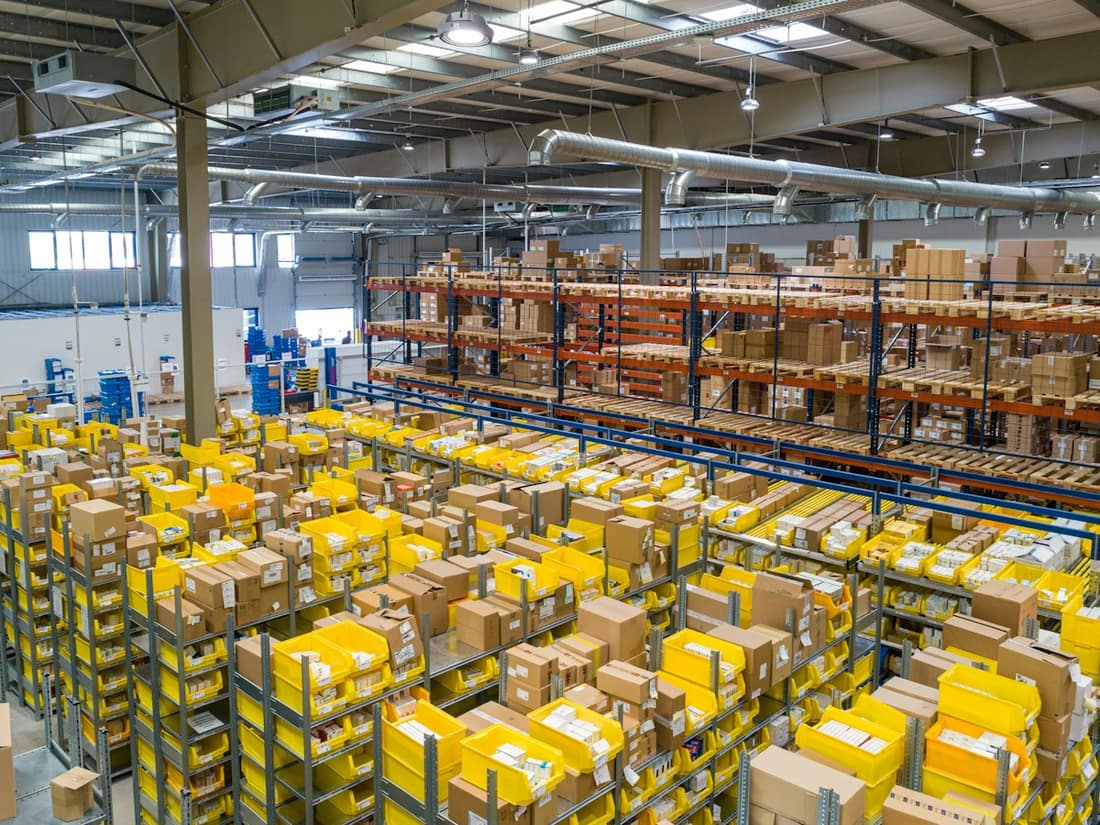
Multiple suppliers, one loading plan. Cargo is received against the purchase order, checked, packed for the route and loaded once — instead of arriving at the port as separate consignments with separate paperwork.
A supply plan is only useful if it can be challenged. Ours is written to be.
A route, a landed cost and a risk note — in writing, against your bill of materials.
We price the chain end to end: goods, consolidation, freight, clearance and delivery. Where a cost depends on a route or a classification, it is shown as a range with the condition that moves it.
The risk note names the items most likely to slip, the documentation that is easy to get wrong, and the mitigation we would put in place. If the date cannot be held, we say so before the order rather than after the vessel sails.
Bill of materials, destination and required-by date is enough to start.